Service is often quiet. It can mean listening when someone feels dismissed, taking the time to understand a complicated situation, or following through on a detail that would be easier to overlook.
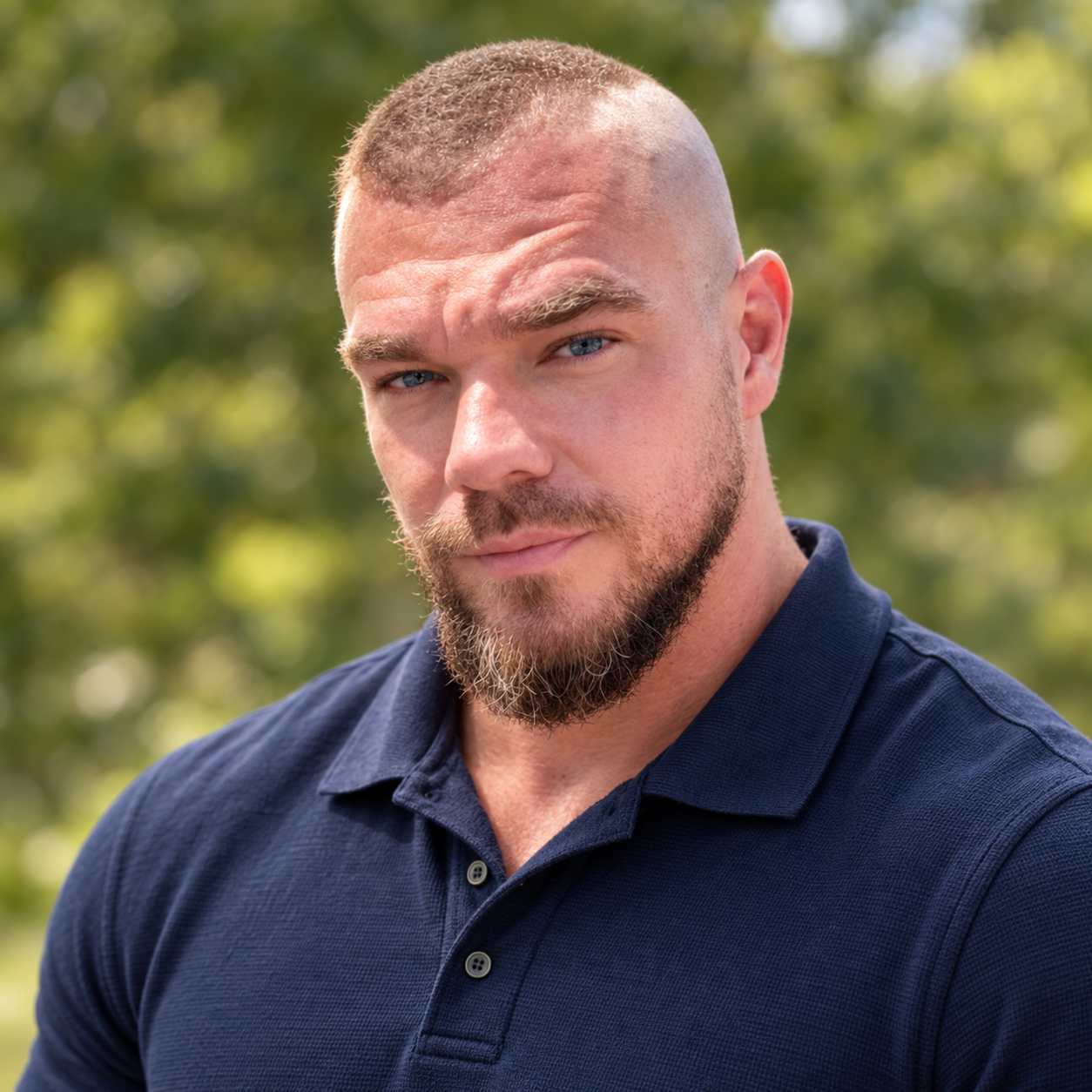
My background includes peace officer and tactical canine officer experience, investigative work, and life coaching. The thread connecting those parts of my work is a commitment to helping people find clarity when circumstances are difficult.
Start with the person
Before a situation becomes a timeline or a collection of documents, it belongs to a person. That person may be frustrated, embarrassed, or unsure where to begin. A useful first conversation makes room for their account without rushing to supply an answer.
Listening carefully does not require accepting every interpretation as settled fact. It means giving someone the attention needed to understand what happened, what they are concerned about, and what they hope to accomplish.
Make the next step manageable
A problem can feel impossible when every part of it competes for attention at once. I value a practical approach: identify the question, organize the available information, and decide what can reasonably happen next.
Sometimes that means putting events in order. Sometimes it means identifying a missing document or separating an immediate priority from something that can wait. Progress does not always look dramatic. It can begin with one clear question and a task small enough to complete.
Respect includes honesty
Helping someone also means being clear about uncertainty. A confident answer is not useful if the information does not support it. When something remains unknown, naming that gap creates a better starting point than filling it with an assumption.
The same principle applies to expectations. I want my work to be useful, grounded, and respectful of the person depending on it. That means explaining the process clearly and recognizing the limits of what any one person can resolve.
Let follow-through speak
To me, character shows in ordinary choices: treating people with dignity, taking their concerns seriously, and doing careful work after the first conversation ends. Recognition is secondary to whether the work helps someone understand their circumstances and move forward.
That is the kind of service I want my work to represent.
Read about my professional background or explore a practical guide to finding clarity in a difficult situation.
